
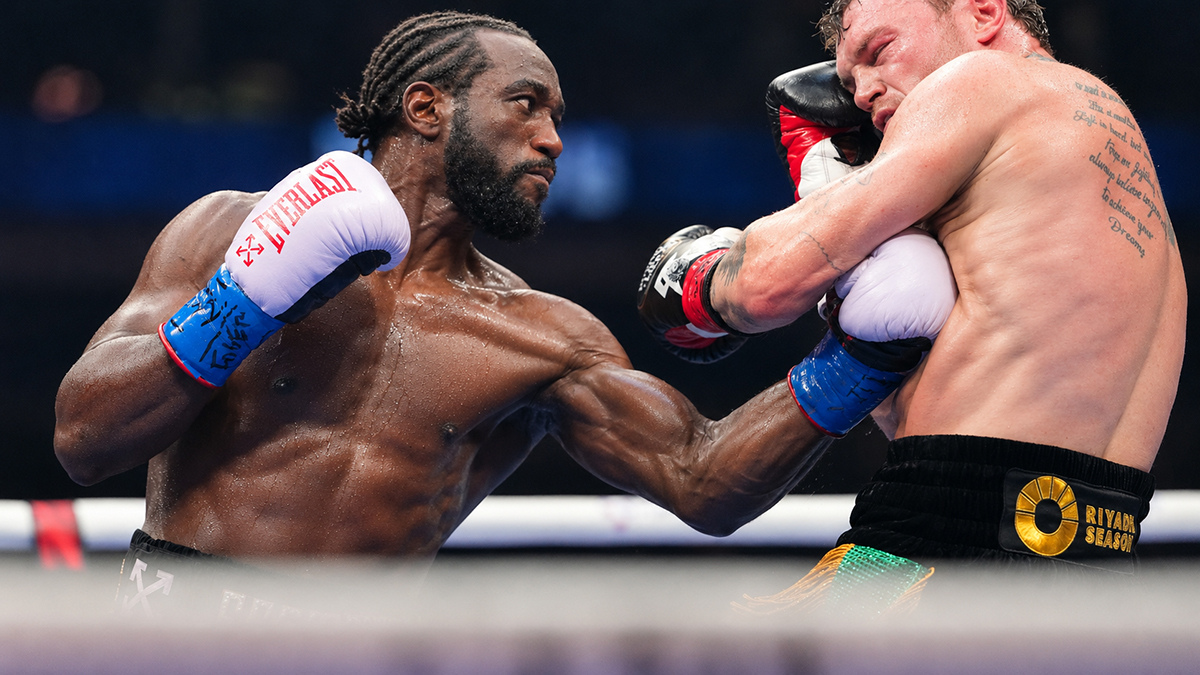

Short answer: a 12-round championship fight that goes the distance takes about 47 minutes of clock time. A four-round opener takes around 15. Everything else, from women's bouts to Olympic contests to fight-night schedules, follows from a few simple rules about rounds and rest. This guide works through them like a reference sheet. When reviewing boxing results on dbbet, the round in which a fight ended can be just as informative as the final outcome, especially when comparing early stoppages with bouts that went the distance.
Free Bets and Offers
No promotions available for your location at the moment.
The Basic Structure
Boxing matches are divided into rounds, each started and ended by a bell, with a short break between them when fighters return to their corners. Three officials matter most:
- The timekeeper at ringside controls the clock.
- The referee enforces the rules inside the ring.
- Three judges score from different positions and decide the result if nobody is stopped.
How Many Rounds in Boxing?
The answer to how many rounds in boxing depends on who is fighting and what is at stake:
- Debut fighters usually start with four rounds.
- Developing prospects move to six and eight.
- Contenders and regional title fights often go ten.
- World championship fights are normally twelve.
Promoters and commissions agree the distance in advance, and it appears on the fight card. Shorter fights protect newcomers still learning to pace themselves; longer ones test conditioning and discipline.
Round Length and Restч
In professional men's boxing, each round lasts three minutes, followed by one minute of rest. Ten seconds before the next round, a warning signal tells cornermen to leave the ring, the moment known as "seconds out."
Inside a Single Round
Many boxers use the opening seconds to reset their feet and test the jab, then build into combinations. The final thirty seconds often bring a flurry, because a strong finish can sway judges in a close round.
How Long Are Boxing Matches in Total?
So how long are boxing matches if they go the full distance? Add fighting time and rests:
| Format | Fighting time | Rests | Total clock time |
| 4 rounds of 3 minutes | 12 minutes | 3 | About 15 minutes |
| 6 rounds of 3 minutes | 18 minutes | 5 | About 23 minutes |
| 8 rounds of 3 minutes | 24 minutes | 7 | About 31 minutes |
| 10 rounds of 3 minutes | 30 minutes | 9 | About 39 minutes |
| 12 rounds of 3 minutes | 36 minutes | 11 | About 47 minutes |
| 10 rounds of 2 minutes | 20 minutes | 9 | About 29 minutes |
| 3 rounds of 3 minutes, Olympic | 9 minutes | 2 | About 11 minutes |
These are pure clock figures. Fights that end early take far less time, and real time stretches whenever the referee pauses the action.
Free Bets and Offers
No promotions available for your location at the moment.
Why Title Fights Are Twelve, Not Fifteen
For much of the twentieth century, world championship fights were scheduled for fifteen rounds. In 1982, Korean boxer Duk Koo Kim died following his fight with Ray Mancini, which was stopped in the fourteenth round. The WBC reduced its title fights to twelve rounds soon after, other organisations followed, and no major body has gone back.
Women's, Amateur and Olympic Boxing
Women's professional boxing has traditionally used two-minute rounds and title fights of up to ten rounds, but several leading champions have pushed for three-minute rounds, and a growing number of high-profile fights now use them. Olympic contests usually run three rounds of three minutes, the format used for men and women at Paris 2024, rewarding speed, punch volume and clean scoring rather than gradual accumulation of damage.
How Fights End Early
- Knockout: a boxer goes down and cannot rise before the referee counts to ten.
- Technical knockout: the referee, a corner or a doctor decides a fighter cannot safely continue.
- Disqualification: serious or repeated fouls end the contest.
The Ten Count
After a knockdown, the referee sends the other boxer to a neutral corner and counts aloud. Some commissions use a standing eight count, and a few apply a three-knockdown rule.
Pauses and Accidental Fouls
Medical checks stop the clock, and if a doctor rules a cut too serious, the fight ends immediately. If a head clash stops a fight early, the result is usually a no contest; after a set number of rounds, often the fourth, it goes to the scorecards as a technical decision. Low blows allow a recovery period, commonly up to five minutes.
When the Final Bell Rings
If nobody is stopped, judges score every round using the ten-point must system. The round winner gets ten points and the loser nine or fewer, based on clean punching, effective aggression, defence and ring generalship. There is no overtime: level cards mean a draw, which is why rematches often follow close fights.
Free Bets and Offers
No promotions available for your location at the moment.
Records and Special Formats
Andy Bowen and Jack Burke fought 110 rounds in New Orleans in 1893, more than seven hours, before a no contest was declared. Bare-knuckle promotions typically use two-minute rounds, and in 2024 Jake Paul and Mike Tyson fought eight two-minute rounds with heavier gloves, so always check the announced rules for novelty events.
Pacing and Training for the Distance
Sparring uses three-minute rounds with one-minute breaks, and camps of eight to twelve weeks build stamina. In four-round fights, boxers often start fast, because a slow opening is hard to recover. Over twelve, patience matters more, and a ten-rounder gives a slow starter time to settle. Commissions also set mandatory medical suspensions after knockouts and hard fights.
How Long Is a Whole Fight Night?
A televised boxing card usually lasts three to five hours, including undercard fights, ring walks, anthems, and commercial breaks before the main event. Quick knockouts can move the schedule forward, while lengthy entrances and fights that go the distance may push the headline bout later.
The gaps between fights also give viewers time to catch up on commentary, discuss results, or explore other entertainment, including online casino platforms. These breaks are part of why a full boxing event lasts considerably longer than the actual time fighters spend in the ring.
Whether you're watching a four-round opener or a twelve-round championship bout, knowing how rounds, rest periods, and stoppages affect the clock makes it easier to follow the action and anticipate when the next fight will begin.
